Martin Gojer Pranzegg - “Miau!” Sparkling Rosé Wine 2022
Martin Gojer Pranzegg - “Miau!” Sparkling Rosé Wine 2022
Martin Gojer is an artisanal winemaker from Bolzano (South Tyrol) who has led Pranzegg, a family-run winery for three generations. After inheriting the business in 2008, Martin (along with his wife, Marion Untersulzner) chose to stop selling grapes to the local cooperative—a widespread practice in South Tyrol—to make their own wine, immediately converting the vineyards to biodynamic farming. The Pranzegg winery was officially founded in 2009 and extends across approximately 3-4 hectares of vineyards located on the steep hills surrounding the Bolzano basin. It is a small estate (approximately 20,000 bottles annually) tended entirely by hand through every stage of production. Martin and Marion live on the Pranzegg farm, in Campegno (Kampenner), on the opposite side of the famous Santa Maddalena hill overlooking Bolzano. From the very beginning, Martin Gojer has distinguished himself as part of a new generation of Alto Adige winemakers, focused on artisanal quality and territorial identity in a region historically dominated by cooperative producers. In just a few years, Pranzegg has become a benchmark in the Italian natural wine movement, earning recognition in industry guides and major awards: for example, his Schiava “Campill” 2018 was named one of the Top Wines in the 2022 Slow Wine guide. Martin is part of the local collective “Freistil,” which brings together organic artisanal winemakers from Alto Adige, considered to be champions of an innovative and unconventional approach in the region.
Territorial Context: Production Area and Vines
Pranzegg is located near the city of Bolzano, in the heart of Alto Adige, in a unique soil and climate position, suspended between Alpine and Mediterranean influences. The vineyards are located between approximately 300 and 700 meters above sea level, on steep slopes (some terraced) in the hillside hamlets above Bolzano, such as Campill (Kampenn) and Laste. The local climate combines hot summers in the valley floor with sharp day-night temperature variations—ideal conditions for ripening the grapes while maintaining acidity and aromas. The Bolzano hills feature soils of volcanic origin (quartz porphyry), mixed with silty sand and clay, with the addition of quartz schist, granite, and alluvial deposits in various areas. These loose, mineral-rich soils allow the roots to sink deep into the soil, contributing to the savory character of the wines.
The winery grows both native Alto Adige varieties and some international varietals historically present in the area. The main indigenous grape varieties are Schiava (Vernatsch) and Lagrein for the reds, and Gewürztraminer (Termeno aromatico) for the whites; note that many Schiava vines in Pranzegg are over 50 years old. These are complemented by Pinot Bianco (Weissburgunder) and small mixed parcels of Müller-Thurgau, Sylvaner, Chardonnay, Sauvignon Blanc, and Incrocio Manzoni.
Interestingly, in a vineyard at the extreme altitude of 700 meters (Laste Sopra), still 70% pergola-trained, more than ten different white grape varieties coexist, which Martin vinifies together (a field blend) in his wine "Tonsur." This rich ampelographic diversity, combined with the varied altitude, gives Pranzegg wines complex nuances and a strong connection to the terroir.
Production Philosophy: Vineyard and Cellar
Martin Gojer sees himself first and foremost as an "ambassador of nature and culture" through wine. In the vineyard, he applies the principles of biodynamic agriculture (though without boasting certifications on the label), aiming for an agricultural ecosystem that is as holistic and biodiverse as possible. The rows are planted with wild herbs and enriched with natural compost; medicinal plant teas and biodynamic preparations are used to strengthen the vines. Around the vines live beehives, Ouessant sheep, chickens, and even cats—hence the name of one of the wines—in a mixed-farm approach aimed at environmental balance.
All agricultural work is done manually (the steep terrain does not allow for mechanization) and respects the plant's natural cycles. Yields are intentionally kept low and adjusted each year, without forcing. In the winery, the philosophy is minimal intervention and maximum fruit expression. Harvesting is done manually and generally occurs quite late for native varieties, while for some aromatic grapes (e.g., Gewürztraminer) it is done slightly earlier to preserve freshness. Fermentation occurs spontaneously with only indigenous yeasts.
Many wines undergo prolonged maceration on the skins: for example, Schiava grapes for red wines remain in contact for ~6 weeks, Lagrein for ~4 weeks, while white grapes destined for "orange" wines typically macerate for 5 to 12 days (as in the case of Gewürztraminer). After fermentation, the wines spend a long time on the fine lees (often 1-2 years) in neutral containers: Gojer prefers the use of large, used oak barrels, chestnut tonneaux, and concrete or fiberglass tanks, avoiding small, new barrels so as not to mark the wine. No fining or filtration is performed before bottling. Sulfur dioxide is added in minimal doses, often only at bottling, and remains at very low overall levels (typically <50 mg/l).
This production approach, summed up by the motto "patience and sensitivity" in the transformation of grapes into wine, aims to produce lively, territorial wines with a distinct identity. Martin himself states that his primary goal is to "narrate the terroir, the vintage, and our lifestyle" through wine, allowing nature to speak without technological interference. Pranzegg wines often require time to open up and reveal their full finesse, but they repay with unique depth and personality.
Main Wines Produced by Pranzegg
Pranzegg's range is diverse and personal, with labels each reflecting a specific winemaking project (often with fictional names tied to people or concepts familiar to Martin). Below is an overview of the main wines, with their essential characteristics:
"Tonsur" – Macerated Bianco (orange): A blend of Müller Thurgau, Pinot Blanc, Chardonnay, and Sylvaner from a mixed vineyard at 700 meters above sea level. Maceration on the skins for ~5 days, then aging in cement for ~12 months. A wine with great minerality and tension, with aromas of chamomile, peach, and Alpine herbs, and a compact and savory palate.
"Elysion" – Dry White: 100% Pinot Blanc from a steep terrace on Mount Kohler (900 m) cultivated by a winemaker friend. Direct pressing, fermentation in barrels, 11 months on the lees and 7 months in bottle. A white wine of rare Alpine elegance: citrus, white flowers, and flint on the nose; taut, fresh on the palate with a pronounced minerality. Only ~900 bottles produced.
"Caroline" – Structured White: A blend of Chardonnay, Sauvignon Blanc, Viognier, and Manzoni Bianco (dedicated to Martin's daughter). Fermentation: 40% in wooden vats and 60% in large barrels, then ages for 10 months in oak barrels and 12 months in concrete. A white wine of great breadth and longevity: a complex bouquet of ripe fruit and flowers, a full-bodied and vibrant flavor supported by acidity and savory flavors, and a long, concentrated finish.
"GT" – Macerated White (Orange): 100% Gewürztraminer vinified using the oxidative method. Fermented with skins and stems for ~12 days in chestnut barrels, aged partly in chestnut barrels and partly in stainless steel for approximately one year. Unfiltered, very low total SO₂ (<30 mg/l). Deep golden color, intense aromas of exotic fruit, candied citrus, and sweet spices; rich and tannic on the palate, yet with finesse and balsamic notes.
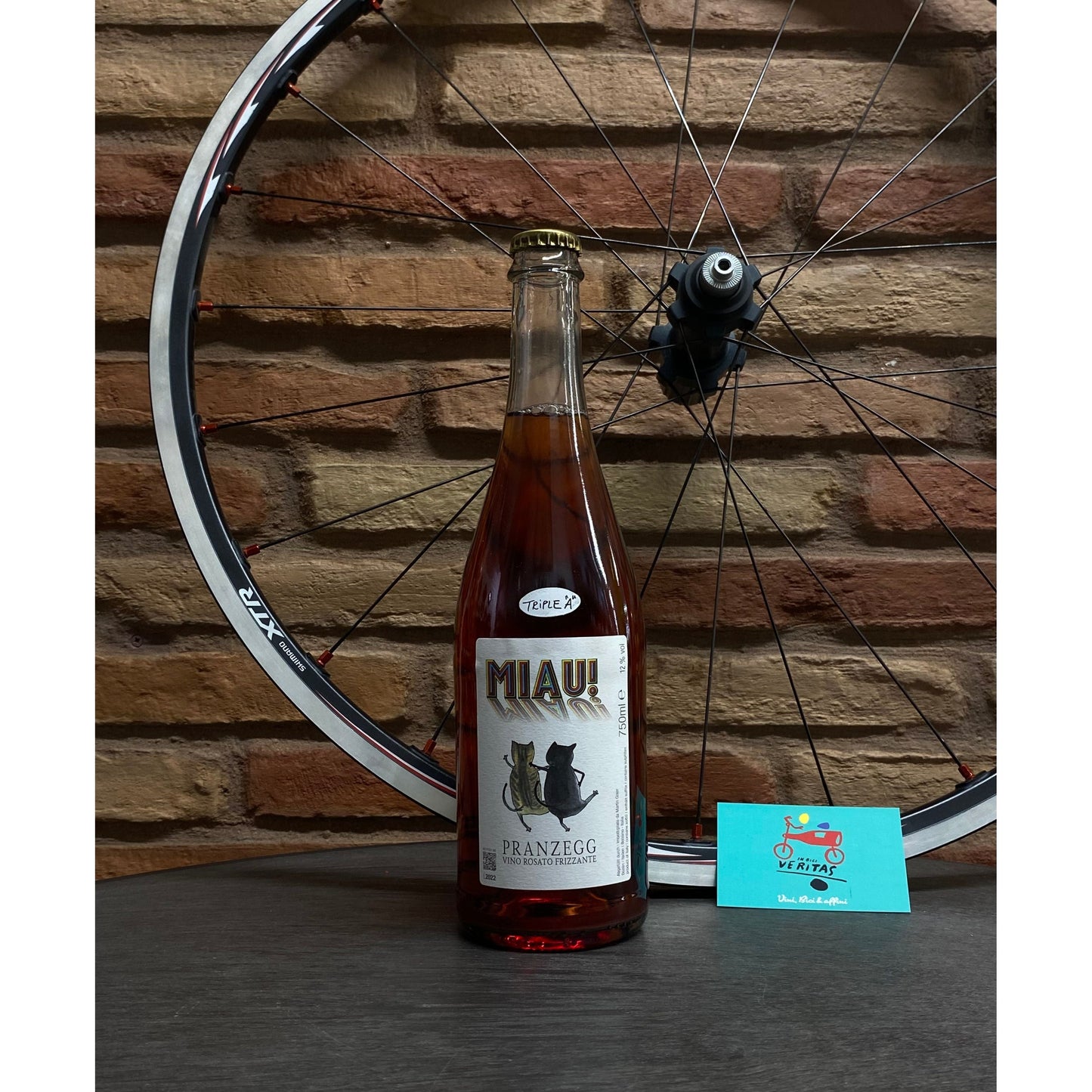
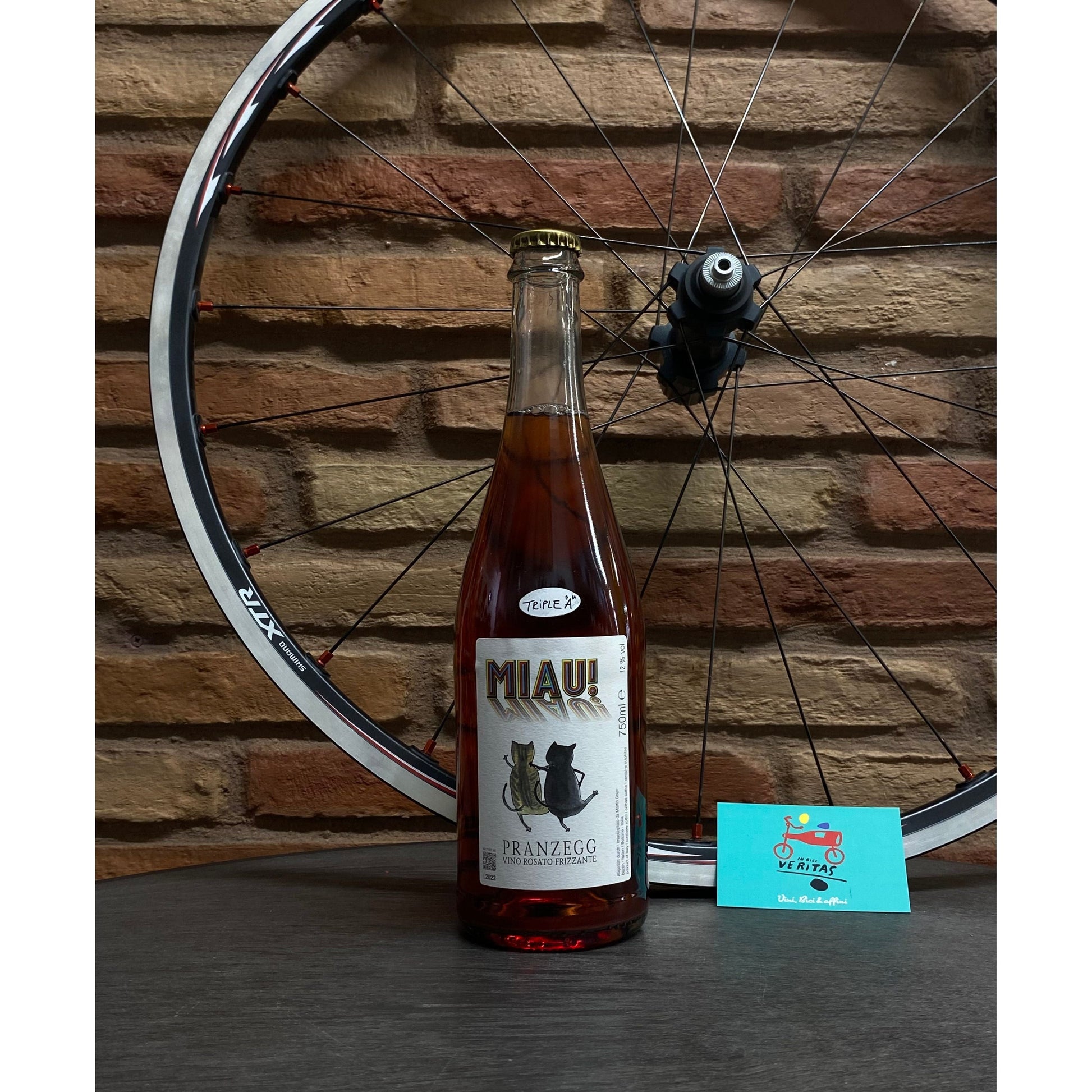
"MIAU!" – Refermented Sparkling Rosé: Blend of ~90% Lagrein and 10% Schiava. The Lagrein is directly pressed, while the Schiava ferments on the skins for 36 hours; the bases are combined for secondary fermentation in the bottle (ancient method). A light, dry, and juicy rosé with aromas of rhubarb, pomegranate, wild cherry, and elderflower.
"Vino Rosso Leggero" – Light red: Blend of ~90% Schiava and 10% Lagrein from old vines aged ~40 years. Vinified with short maceration of the red grapes and co-fermented with fermented skins of white grapes. Pale ruby color, delicious aromas of cherry, wild strawberry, and red currant, very agile and fresh flavor.
"Demian" – Lagrein Rosé: Made from old Lagrein vines at the foot of Mount Renon. The must is pressed gently after a very short maceration (2-3 hours). Spontaneous fermentation and aging in tonneaux and cement vats. Pale salmon color, aromas of small red fruits, wild rose, and sweet spices. On the palate, it is fresh yet enveloping, with fine tannins.
"Campill" (C---ll) – Red from Schiava: An iconic wine made from old vines (50+ years old) of Schiava Gentile and Grigia. Spontaneous fermentation on the skins for ~6 weeks, aging for ~10 months in used barrels and 12 months in concrete. A light yet deep red, with fine aromas of red fruits, an agile palate, lively acidity, and a soft structure. Versatile and long-lived.
"Laurenc" – Red from Lagrein: Dedicated to his son, Laurenc. Maceration on the skins for ~4 weeks, aged for 25 months in large barrels and used barriques. Purple color, nose of blackberry, plum, and spice, rich yet elegant flavor, with lively acidity and smooth tannins. A dense yet clean wine, a refined interpretation of Lagrein.
Couldn't load pickup availability